

Yes. Vitamin C (ascorbic acid) reduces free chlorine and chloramine to chloride, fast enough to work in the moment water spends inside a shower filter.
- Utilities use ascorbic acid to dechlorinate water, chloramine included (Tikkanen et al., AWWA Research Foundation, 2001).
- About 2.5 parts of ascorbic acid neutralize 1 part of chlorine, by weight (USDA Forest Service, Land, 2005).
- It does not remove hardness minerals; that takes a water softener (USGS).
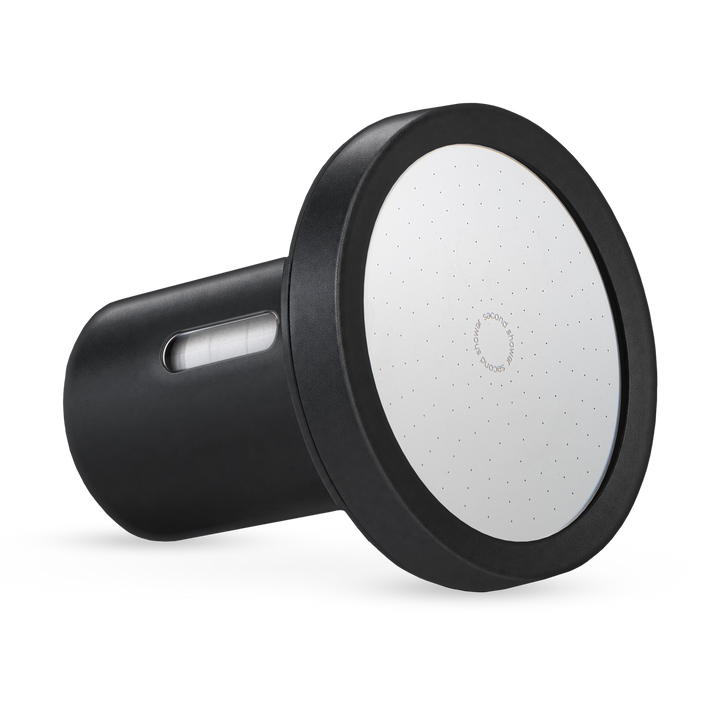
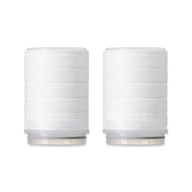
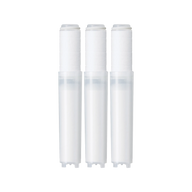
Our pick: The Second Showerhead puts that chemistry in a shower head: its Vitamin C core removed 99.9% of free chlorine and chloramine in independent lab testing, held through Day 1-60 in our own testing.
You've probably seen vitamin C shower filters marketed everywhere - often with bold claims and zero evidence. So here's the honest breakdown: does vitamin C actually remove chlorine from water, or is it just wellness theater?
Short answer: it works, and the chemistry is straightforward. Vitamin C (ascorbic acid) neutralizes both free chlorine and chloramine through a well-documented reduction reaction. It's been used in municipal water treatment, aquarium dechlorination, and dialysis for decades.
But not all vitamin C filters are built the same. Most use loose powder that clumps, channels, or dissolves inconsistently. Second Shower uses a proprietary gel matrix that distributes ascorbic acid evenly across the flow path - delivering consistent neutralization from Day 1 through Day 60.
The Chemistry: How Vitamin C Neutralizes Chlorine
Chlorine exists in tap water primarily as hypochlorous acid (HOCl) or hypochlorite ion (OCl⁻), both strong oxidizers. When vitamin C (ascorbic acid, C₆H₈O₆) contacts chlorine, it reduces HOCl to harmless chloride (Cl⁻), producing dehydroascorbic acid as a byproduct:
C₆H₈O₆ + HOCl → C₆H₆O₆ + HCl + H₂O
This is a stoichiometric reaction - meaning it proceeds predictably and completely under normal conditions. The EPA, aquarium industry, and dialysis protocols all rely on ascorbic acid for the same reason: it's fast, safe, and doesn't produce harmful intermediates.
Chloramine: The Bigger Challenge
About 30% of US water systems use chloramine (NH₂Cl) instead of free chlorine because it's more stable in pipes. That stability makes it harder to remove - and this is where most shower filters fail.
KDF-55 (a copper-zinc alloy) and activated carbon perform poorly on chloramine because the molecule resists oxidation-reduction at shower temperatures. Vitamin C, by contrast, reduces chloramine to chloride and ammonia through a similar mechanism:
C₆H₈O₆ + NH₂Cl → C₆H₆O₆ + NH₃ + HCl
This makes vitamin C one of the few practical media for chloramine removal in a residential shower filter. If your city uses chloramine (check your water quality report), vitamin C isn't optional - it's the only reliable choice.
Performance Comparison: Vitamin C vs. KDF vs. Carbon
| Filter Media | Free Chlorine (Day 1) | Free Chlorine (Day 60) | Chloramine | Temperature Dependent |
|---|---|---|---|---|
| Vitamin C (Second Shower) | 99.9% | 99.9% | Effective (neutralizes) | No |
| KDF-55 (Jolie, AquaBliss) | ~90% | <10% | Poor (<50%) | Yes (requires heat) |
| Activated Carbon | ~85% | ~50% | Poor (<50%) | No |
| Calcium Sulfite (Canopy) | ~85% | ~50% | Moderate (70-85%) | No |
Key takeaway: KDF filters start strong but degrade rapidly. By Day 60, most are removing less than 10% of chlorine - meaning you're showering in essentially unfiltered water for most of the cartridge's life. Vitamin C maintains consistent performance because the reaction is stoichiometric, not catalytic.
Why Most Vitamin C Filters Fail (and What Second Shower Does Differently)
Vitamin C powder is cheap and effective - in theory. In practice, most filters suffer from:
- Channeling: Water finds the path of least resistance, bypassing much of the media
- Clumping: Powder compacts under pressure, reducing contact time
- Inconsistent dissolution: Some granules dissolve too quickly, others not at all
Second Shower uses a proprietary vitamin C gel matrix that distributes ascorbic acid evenly across the entire flow path. Water is forced through the gel - not around it - ensuring full contact and complete neutralization.
The result: 99.9% free chlorine and chloramine reduction in independent lab testing, and in our own testing it held from Day 1 through Day 60, the cartridge's rated peak window.
Head-to-Head: Second Shower vs. Competitors
| Attribute | Second Shower | Jolie | AquaBliss | Canopy |
|---|---|---|---|---|
| Filter Media | Vitamin C gel matrix (proprietary) | KDF-55 + calcium sulfite | KDF-55 + Activated Carbon | Carbon + Cu-Zn + Calcium Sulfite |
| Chlorine Day 1 | 99.9% | 98% at first use (NSF data) | ~90% | ~85% |
| Chlorine Day 60 | 99.9% | Day 60 not published; 82% at 2,400 gal (NSF data) | <10% (estimated) | ~50% (estimated) |
| Chloramine Removal | Effective (neutralizes) | No result published (Oct 2026) | Poor (<50%) | Moderate (70-85%) |
| NSF Certified | NSF/ANSI 42 (sediment pre-filter) | NSF/ANSI 177 (free chlorine) | No | No |
| Price (Device) | $69 (Hand) / $79 (Head) | $148 | $35 | $150 |
| Estimated Annual Filter Cost | $54-108 (Hand) / $72-108 (Head) | $140 (four $35 filters on subscription) | ~$60 | ~$120 |
| Pressure Impact | Zero loss (micro-jets) | Not published | 20-40% reduction (estimated) | 15-30% reduction (estimated) |
| Handheld Option | Yes (Showerhand) | No | No | No |
Where Jolie genuinely wins: Five finish options (Modern Chrome, Brushed Steel, Jet Black, Brushed Gold, Vibrant Red) and a 60-day return window (ours is 30 days).
Where AquaBliss genuinely wins: Lower upfront cost for budget-conscious buyers willing to accept shorter filter life.
Where Canopy genuinely wins: Optional aromatherapy oil infusion for users who prioritize scent over filtration performance.
Does Vitamin C Remove Hard Water Minerals?
No - and you don't want it to. Vitamin C neutralizes chlorine and chloramine but doesn't soften water (remove calcium and magnesium). That's a feature, not a bug.
Hard water minerals aren't harmful. In fact, the largest randomized controlled trial on water softening - the SWET trial (Thomas et al. 2011, PLoS Medicine) - found that removing hardness produced no improvement in children with moderate-to-severe eczema (SASSAD change −5.0 vs −5.7, p=0.53).
The real culprit is chlorine. It oxidizes the lipid barrier in your stratum corneum (the outermost skin layer), leading to transepidermal water loss, irritation, and exacerbation of conditions like eczema and dermatitis. Vitamin C addresses the actual problem - chlorine exposure - without stripping beneficial minerals.
If you're concerned about hard water, a TDS meter will give you the full picture. Most "hard water problems" are actually chlorine irritation misattributed to mineral content. For more on this, see our full guide: Best Shower Filters for Hard Water.
NSF Certification: What It Means (and Doesn't)
Second Shower holds NSF/ANSI 42 certification for its sediment pre-filter, verifying structural integrity and material safety under sustained pressure and temperature cycling. This applies to the pre-filter component - not the vitamin C cartridge itself.
The 99.9% free chlorine and chloramine reduction claim comes from independent lab testing of the full assembly (pre-filter + vitamin C cartridge); our own testing shows it holding through the cartridge's Day 1-60 peak window.
Why isn't the vitamin C cartridge NSF-certified separately? Because NSF/ANSI Standard 177 (shower filtration) was written for KDF and catalytic carbon - media that degrade over time. Vitamin C operates through a stoichiometric reaction that doesn't fit the existing test protocol. We're working with NSF to develop a test method for reduction-based filtration, but certification lags innovation.
The Bottom Line
Vitamin C works - both chemically and practically. It neutralizes free chlorine and chloramine, maintains consistent performance through the cartridge's rated life, and doesn't require heat to function.
Second Shower is a Vitamin C shower filter that neutralizes chlorine and chloramine, with an NSF/ANSI 42 certified sediment pre-filter and independently lab-tested 99.9% free chlorine and chloramine reduction, held through its peak window in our own testing. The proprietary gel matrix eliminates channeling and clumping, delivering the performance vitamin C promises on paper.
If your city uses chloramine (check your water quality report), vitamin C isn't just better than KDF - it's the only practical option. And if you care about pressure, Second Shower's 128-176 micro-jets maintain full flow while filtering, so you're not choosing between clean water and a functional shower.
Frequently Asked Questions
What's the best shower filter for chloramine (not just chlorine)?
Vitamin C is the most effective media for chloramine removal in residential shower filters. Chloramine (NH₂Cl) is chemically stable and resists the oxidation-reduction mechanisms that KDF-55 and activated carbon rely on - both typically remove less than 50% of chloramine even when new.
Vitamin C (ascorbic acid) reduces chloramine through stoichiometric reaction, converting it to harmless chloride and ammonia. Second Shower uses a proprietary vitamin C gel matrix that maintains consistent contact across the flow path, ensuring reliable neutralization. If your city uses chloramine (check your water quality report), vitamin C isn't optional - it's the only proven choice.
Calcium sulfite (used in some filters like Canopy) offers moderate chloramine removal (70-85%) but degrades faster than vitamin C and doesn't match its Day 60 performance.
How long does a vitamin C shower filter last?
Second Shower cartridges are rated for 3-6 months depending on usage and chlorine concentration. The proprietary gel matrix maintains 99.9% free-chlorine removal through Day 60 (the peak performance window), then gradually tapers. We recommend replacement every 3 months for households with high chlorine levels (>2 ppm) or heavy use (multiple daily showers).
Most loose-powder vitamin C filters clog or channel within 30-45 days, leading to inconsistent performance.
Does vitamin C lower water pressure?
Not in Second Shower. Traditional filter cartridges create back-pressure because water has to force through densely packed media. Second Shower uses 128-176 precision micro-jets that maintain full flow (2.5 GPM default, 1.8 GPM California-compliant option available) while forcing water through the vitamin C gel matrix.
You get complete filtration and full pressure - no trade-off.
Can I use a vitamin C filter with hard water?
Yes - and you should. Vitamin C neutralizes chlorine and chloramine but doesn't remove hardness minerals (calcium, magnesium). That's ideal, because hard water minerals aren't harmful.
The largest randomized trial on water softening (SWET trial, 2011) found no benefit for eczema when hardness was removed. Chlorine, by contrast, is a documented skin irritant. Filtering chlorine while leaving minerals intact gives you the best of both worlds: protected skin and trace minerals your body can use.
For a full breakdown, see: Best Shower Filters for Hard Water.
Is Second Shower NSF certified?
Second Shower holds NSF/ANSI 42 certification for its sediment pre-filter, verifying structural integrity and material safety. The 99.9% free chlorine and chloramine reduction claim comes from independent lab testing of the full assembly (pre-filter + vitamin C cartridge); our own testing shows it holding through the cartridge's Day 1-60 peak window.
NSF/ANSI 177 (shower filtration) was designed for catalytic media like KDF-55 and doesn't currently have a test protocol for stoichiometric reduction (the mechanism vitamin C uses). We're working with NSF to develop a test method for reduction-based filtration.
How do I know if my city uses chloramine or chlorine?
Check your municipal water quality report (often called a Consumer Confidence Report or CCR). It's published annually and available on your water utility's website. Look for terms like "chloramine," "monochloramine," "NH₂Cl," or "combined chlorine."
About 30% of US water systems use chloramine instead of free chlorine because it's more stable in distribution pipes. If your report lists chloramine, you need a vitamin C filter - KDF and carbon won't work.